Symptoms and Causes of Plantar Fasciitis

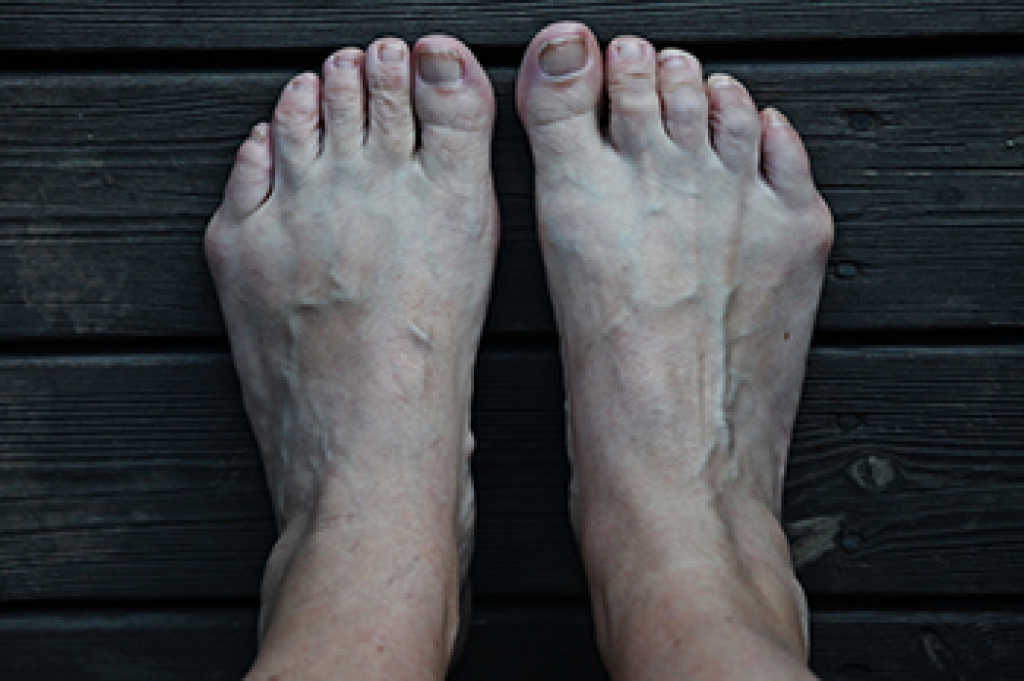
Plantar fasciitis is a painful condition that affects the broad band of tissue along the bottom of the foot.  This tissue, called the plantar fascia, supports the arch and connects the heel to the toes. When it becomes irritated or inflamed, heel pain often develops. Causes include long periods of standing, running, rapid weight gain, and tight calf muscles. Flat feet, high arches, and shoes that do not provide enough support can also increase the risk. Symptoms of plantar fasciitis include sharp pain in the heel, especially with the first steps in the morning or after sitting for a long time. The pain may ease with movement but often returns after long periods of being on your feet. A podiatrist can examine the foot to identify the cause. Treatment options include prescribing custom orthotics, stretching exercises, and support for proper foot function. If you have symptoms of plantar fasciitis, it is suggested that you schedule an appointment with a podiatrist for a diagnosis and appropriate treatment. 

Plantar fasciitis is a common foot condition that is often caused by a strain injury. If you are experiencing heel pain or symptoms of plantar fasciitis, contact the podiatrists from Oexeman Foot and Ankle, PLLC. our doctors can provide the care you need to keep you pain-free and on your feet.

What Is Plantar Fasciitis?

Plantar fasciitis is one of the most common causes of heel pain. The plantar fascia is a ligament that connects your heel to the front of your foot. When this ligament becomes inflamed, plantar fasciitis is the result. If you have plantar fasciitis you will have a stabbing pain that usually occurs with your first steps in the morning. As the day progresses and you walk around more, this pain will start to disappear, but it will return after long periods of standing or sitting.

What Causes Plantar Fasciitis?

  • Excessive running
  • Having high arches in your feet
  • Other foot issues such as flat feet
  • Pregnancy (due to the sudden weight gain)
  • Being on your feet very often

There are some risk factors that may make you more likely to develop plantar fasciitis compared to others. The condition most commonly affects adults between the ages of 40 and 60. It also tends to affect people who are obese because the extra pounds result in extra stress being placed on the plantar fascia.

Prevention

  • Take good care of your feet – Wear shoes that have good arch support and heel cushioning.
  • Maintain a healthy weight
  • If you are a runner, alternate running with other sports that won’t cause heel pain

There are a variety of treatment options available for plantar fasciitis along with the pain that accompanies it. Additionally, physical therapy is a very important component in the treatment process. It is important that you meet with your podiatrist to determine which treatment option is best for you.

If you have any questions, please feel free to contact our office located in Chicago, IL . We offer the newest diagnostic and treatment technologies for all your foot care needs.

 

Read more about Plantar Fasciitis

Types and Benefits of Orthotics

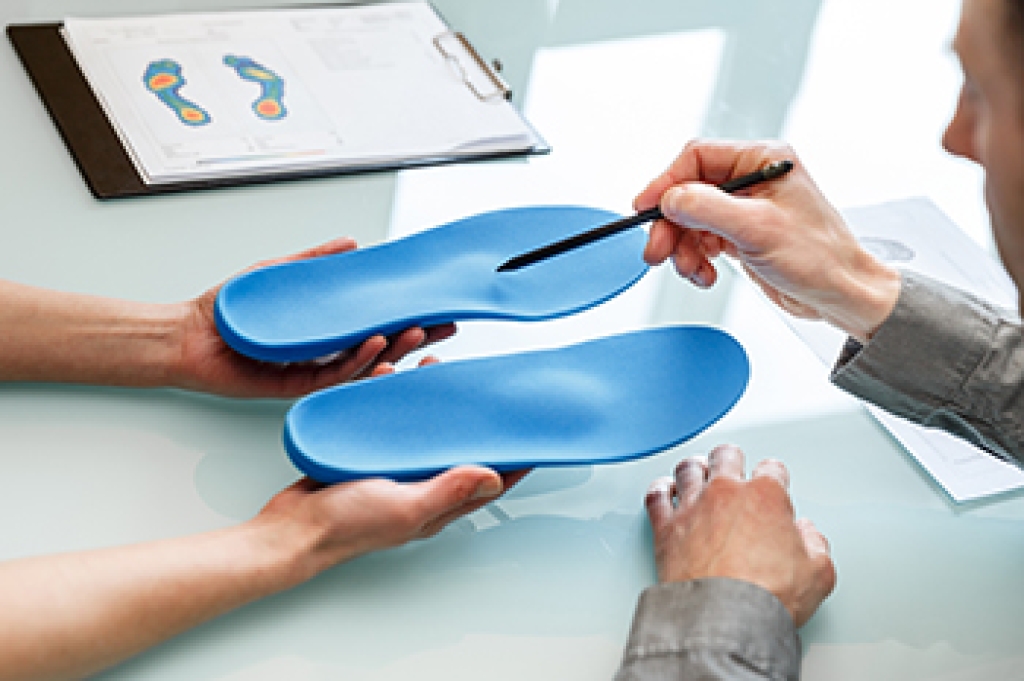
Orthotics are specially designed devices placed inside footwear to support, align, and improve the function of the feet and lower limbs. Off-the-shelf orthotics are prefabricated inserts that provide general support and cushioning for common foot issues. Functional foot orthoses are designed to correct abnormal movement patterns and improve biomechanics while walking or running. Custom molded total contact insoles are individually crafted to match the exact shape of the foot, offering precise support and pressure distribution. These devices can help treat plantar fasciitis, flat feet, heel pain, and overuse injuries. Benefits include improved comfort, better posture, reduced pain, and enhanced mobility. A podiatrist can assess foot structure and gait to recommend the most suitable orthotic option. If you have foot pain, it is suggested that you consult a podiatrist who can discuss the benefits of custom-made orthotics with you. 

If you are having discomfort in your feet and would like to try orthotics, contact the podiatrists from Oexeman Foot and Ankle, PLLC. our doctors can provide the care you need to keep you pain-free and on your feet.

What Are Orthotics?

Orthotics are inserts you can place into your shoes to help with a variety of foot problems such as flat feet or foot pain. Orthotics provide relief and comfort for minor foot and heel pain but can’t correct serious biomechanical problems in your feet.

Over-the-Counter Inserts

Orthotics come in a wide variety of over-the-counter inserts that are used to treat foot pain, heel pain, and minor problems. For example, arch supports can be inserted into your shoes to help correct overarched or flat feet, while gel insoles are often used because they provide comfort and relief from foot and heel pain by alleviating pressure.

Prescription Orthotics

If over-the-counter inserts don’t work for you or if you have a more severe foot concern, it is possible to have your podiatrist prescribe custom orthotics. These high-quality inserts are designed to treat problems such as abnormal motion, plantar fasciitis, and severe forms of heel pain. They can even be used to help patients suffering from diabetes by treating foot ulcers and painful calluses and are usually molded to your feet individually, which allows them to provide full support and comfort.

If you are experiencing minor to severe foot or heel pain, it’s recommended to speak with your podiatrist about the possibilities of using orthotics. A podiatrist can determine which type of orthotic is right for you and allow you to take the first steps towards being pain-free.

If you have any questions, please feel free to contact our office located in Chicago, IL . We offer the newest diagnostic and treatment technologies for all your foot care needs.

Read more about Ankle Foot Orthotics for Athletes

Connect With Us

Advanced Podiatric Procedures & Services in the Cook County, IL: Chicago, Evanston, Oak Park, Cicero, Berwyn, Skokie, Arlington Heights, Oak Brook, Hinsdale, Oak Lawn, Oak Forest, Wheeling, Schaumburg, Des Plaines, Elmwood Park, Park Ridge, Niles, DuPage County, IL: Naperville, Downers Grove, Wheaton, Lisle, Woodridge, Glen Ellyn, Villa Park, Lombard, Carol Stream, Lake County, IL: Waukegan, Highland Park, Deerfield, Vernon Hills, Gurnee, Lake Forest, Will County, IL: Joliet, Bolingbrook, Romeoville, Plainfield, Shorewood, Kane County, IL: Aurora, Batavia, St. Charles, Geneva areas