
Recovering After Ankle Fracture Surgery

Ankle fracture surgery is sometimes needed when the bones are not in the right position to heal on their own. The goal is to realign the joint so it can regain strength, stability, and comfortable movement. After surgery, the ankle is usually protected in a cast or boot while the bone begins to mend. Swelling, bruising, and stiffness are common at first, but these improve with time, rest, and guided activity. As healing progresses, gentle targeted exercises help restore motion and confidence with walking. Wearing supportive footwear and careful weight-bearing also play important roles in the recovery process. Paying attention to discomfort, keeping follow up appointments, and following instructions closely all help ensure the best outcome. If you have concerns about a recent ankle surgery or your recovery, it is suggested that you schedule an appointment with a podiatrist for proper guidance.

Broken ankles need immediate treatment. If you are seeking treatment, contact One of our podiatrists from Oexeman Foot and Ankle, PLLC. our doctors can provide the care you need to keep you pain-free and on your feet. 

Broken Ankles
A broken ankle is experienced when a person fractures their tibia or fibula in the lower leg and ankle area. Both of these bones are attached at the bottom of the leg and combine to form what we know to be our ankle.

When a physician is referring to a break of the ankle, he or she is usually referring to a break in the area where the tibia and fibula are joined to create our ankle joint. Ankles are more prone to fractures because the ankle is an area that suffers a lot of pressure and stress. There are some obvious signs when a person experiences a fractured ankle, and the following symptoms may be present.

Symptoms of a Fractured Ankle

  • Excessive pain when the area is touched or when any pressure is placed on the ankle
  • Swelling around the area
  • Bruising of the area
  • Area appears to be deformed

If you suspect an ankle fracture, it is recommended to seek treatment as soon as possible. The sooner you have your podiatrist diagnose the fracture, the quicker you’ll be on the way towards recovery.

If you have any questions, please feel free to contact our office located in Chicago, IL . We offer the newest diagnostic and treatment technologies for all your foot care needs.

Read more about All About Broken Ankles

What You Should Know About Hammertoes

A hammertoe develops when one of the smaller toes bends abnormally at the middle joint, creating a raised knuckle and a curled tip. This change often begins subtly, but becomes more noticeable over time as the tendon imbalance increases. Many people first notice rubbing on the top of the toe, difficulty finding comfortable shoes, or soreness that worsens with activity. Corns, calluses, and irritation from wearing tight footwear can make the condition even more uncomfortable. Hammertoes form for several reasons, including genetics, foot structure, arthritis, and shoes that squeeze the toes or force them into a bent position. Early attention can help keep the toe flexible and reduce pain with supportive footwear, gentle stretching, and cushioning. Long-standing or rigid hammertoes may require medical treatment to restore comfort and function. If you experience ongoing toe pain, rubbing, or difficulty fitting into shoes, it is suggested that you see a podiatrist for evaluation and appropriate care.

Hammertoe

Hammertoes can be a painful condition to live with. For more information, contact One of our podiatrists from Oexeman Foot and Ankle, PLLC. our doctors will answer any of your foot- and ankle-related questions.

Hammertoe is a foot deformity that affects the joints of the second, third, fourth, or fifth toes of your feet. It is a painful foot condition in which these toes curl and arch up, which can often lead to pain when wearing footwear.

Symptoms

  • Pain in the affected toes
  • Development of corns or calluses due to friction
  • Inflammation
  • Redness
  • Contracture of the toes

Causes

Genetics – People who are genetically predisposed to hammertoe are often more susceptible

Arthritis – Because arthritis affects the joints in your toes, further deformities stemming from arthritis can occur

Trauma – Direct trauma to the toes could potentially lead to hammertoe

Ill-fitting shoes – Undue pressure on the front of the toes from ill-fitting shoes can potentially lead to the development of hammertoe

Treatment

Orthotics – Custom made inserts can be used to help relieve pressure placed on the toes and therefore relieve some of the pain associated with it

Medications – Oral medications such as anti-inflammatories or NSAIDs could be used to treat the pain and inflammation hammertoes causes. Injections of corticosteroids are also sometimes used

Surgery – In more severe cases where the hammertoes have become more rigid, foot surgery is a potential option

If you have any questions, please feel free to contact our office located in Chicago, IL . We offer the newest diagnostic and treatment technologies for all your foot care needs.
Read more about What Are Hammertoes?

Caring for Your Feet With Diabetes

Diabetes is a chronic condition that affects how the body regulates blood sugar, potentially leading to complications throughout the body, including the feet. High blood sugar can damage nerves and blood vessels, increasing the risk of infections, ulcers, and poor healing. Common diabetic foot complications include numbness, tingling, swelling, open sores, and infections that may go unnoticed without careful attention. Proper foot care is essential to prevent serious problems. Wash and dry your feet daily, keep toenails trimmed straight across, and regularly inspect your feet for cuts, blisters, or sores. A podiatrist can provide professional evaluation, treat existing issues, recommend protective footwear, and create a personalized foot care plan. If you have diabetes, it is suggested that you are under the care of a podiatrist who can help you manage this serious condition.

Diabetic foot care is important in preventing foot ailments such as ulcers. If you are suffering from diabetes or have any other concerns about your feet, contact One of our podiatrists from Oexeman Foot and Ankle, PLLC. our doctors can provide the care you need to keep you pain-free and on your feet.

Diabetic Foot Care

Diabetes affects millions of people every year. The condition can damage blood vessels in many parts of the body, especially the feet. Because of this, taking care of your feet is essential if you have diabetes, and having a podiatrist help monitor your foot health is highly recommended.

The Importance of Caring for Your Feet

  • Routinely inspect your feet for bruises or sores.
  • Wear socks that fit your feet comfortably.
  • Wear comfortable shoes that provide adequate support.

Patients with diabetes should have their doctor monitor their blood levels, as blood sugar levels play such a huge role in diabetic care. Monitoring these levels on a regular basis is highly advised.

It is always best to inform your healthcare professional of any concerns you may have regarding your feet, especially for diabetic patients. Early treatment and routine foot examinations are keys to maintaining proper health, especially because severe complications can arise if proper treatment is not applied.

If you have any questions, please feel free to contact our office located in Chicago, IL . We offer the newest diagnostic and treatment technologies for all your foot care needs.
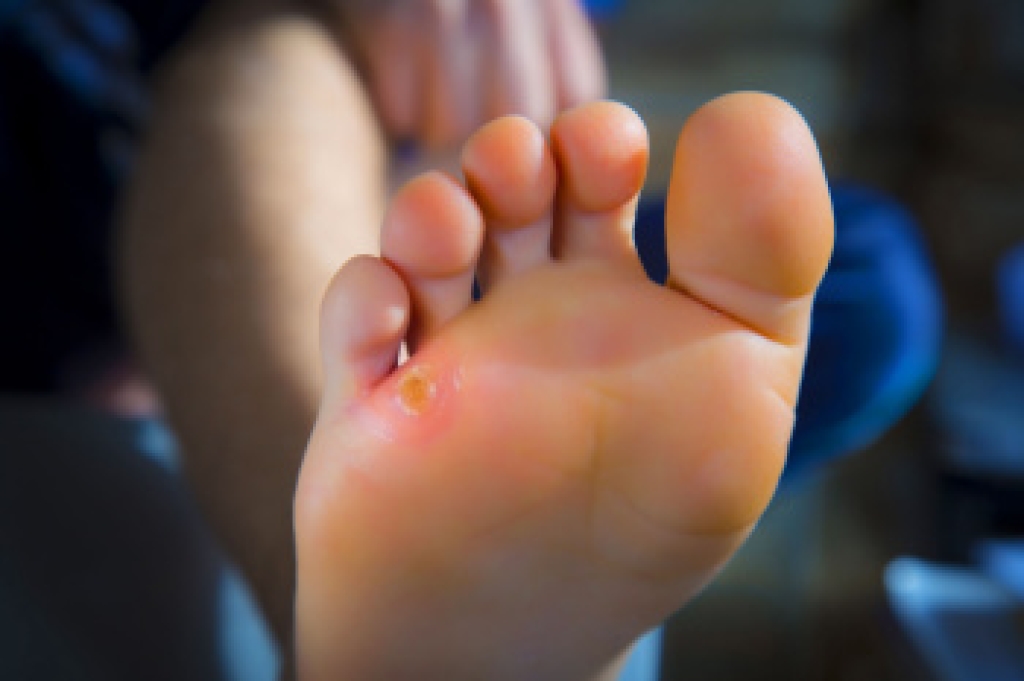
Read more about Diabetic Foot Care

It's Time for Beautiful Feet

You don't need an excuse to have beautiful nails. Step outside without worrying about the appearance of your feet.

Rheumatoid Arthritis and Its Impact on the Feet

Rheumatoid arthritis is an autoimmune disease that causes the body to attack the thin layer of cells that cover the joints, leading to soreness, swelling, and ongoing inflammation. When it affects the feet, it can cause stiffness, pain, warmth, and difficulty walking. The exact cause is unknown, but risk factors include family history, certain hormones, and smoking, which may trigger the immune system to react in harmful ways. Over time, this condition can damage joints and change the shape of the feet. A podiatrist can help by offering supportive footwear, custom orthotics, and treatment plans that reduce pressure and improve comfort. If you have persistent foot pain related to rheumatoid arthritis, it is suggested that you are under the care of a podiatrist who can help you to manage this condition.

Because RA affects more than just your joints, including the joints in your feet and ankles, it is important to seek early diagnosis from your podiatrist if you feel like the pain in your feet might be caused by RA. For more information, contact One of our podiatrists of Oexeman Foot and Ankle, PLLC. our doctors will assist you with all of your podiatric concerns.

What Is Rheumatoid Arthritis?

Rheumatoid Arthritis (RA) is an autoimmune disorder in which the body’s own immune system attacks the membranes surrounding the joints. Inflammation of the lining and eventually the destruction of the joint’s cartilage and bone occur, causing severe pain and immobility.

Rheumatoid Arthritis of the Feet

Although RA usually attacks multiple bones and joints throughout the entire body, almost 90 percent of cases result in pain in the foot or ankle area.

Symptoms

  • Swelling and pain in the feet
  • Stiffness in the feet
  • Pain on the ball or sole of feet
  • Joint shift and deformation

Diagnosis

Quick diagnosis of RA in the feet is important so that the podiatrist can treat the area effectively. Your doctor will ask you about your medical history, occupation, and lifestyle to determine the origin of the condition. Rheumatoid Factor tests help to determine if someone is affected by the disease.

If you have any questions, please feel free to contact our office located in Chicago, IL . We offer the newest diagnostic and treatment technologies for all your foot care needs.

Read more about Rheumatoid Arthritis in the Feet

Connect With Us

scroll to top